Let’s be honest. Somewhere along the way, we traded daylight for downlights and trees for tensile cables. We sealed up buildings so tight you’d forget seasons existed.
But lately, something’s shifting—and it’s not just the trend reports. People are craving more than sleek lobbies and “open-concept” layouts. They’re hungry for something primal. Familiar. Alive.
That’s where biophilic architecture comes in. And no, it’s not just about adding potted plants or vertical gardens on the side of a mall. It’s much deeper—much messier, actually. But we’ll get to that.
First Off, What Is Biophilic Architecture?
At its core, biophilic design is the architectural answer to a basic human truth: we’re hardwired to connect with nature. Evolutionarily, we spent 99.9% of our time outdoors. Then came cities. Then came fluorescent lighting and windows that don’t open.
Biophilic architecture says—what if we stopped pretending we’re machines and started designing for humans again?
It means spaces that breathe. Buildings that borrow light, shadow, and airflow from the real world. It’s not just form—it’s feeling.
We’re talking about:
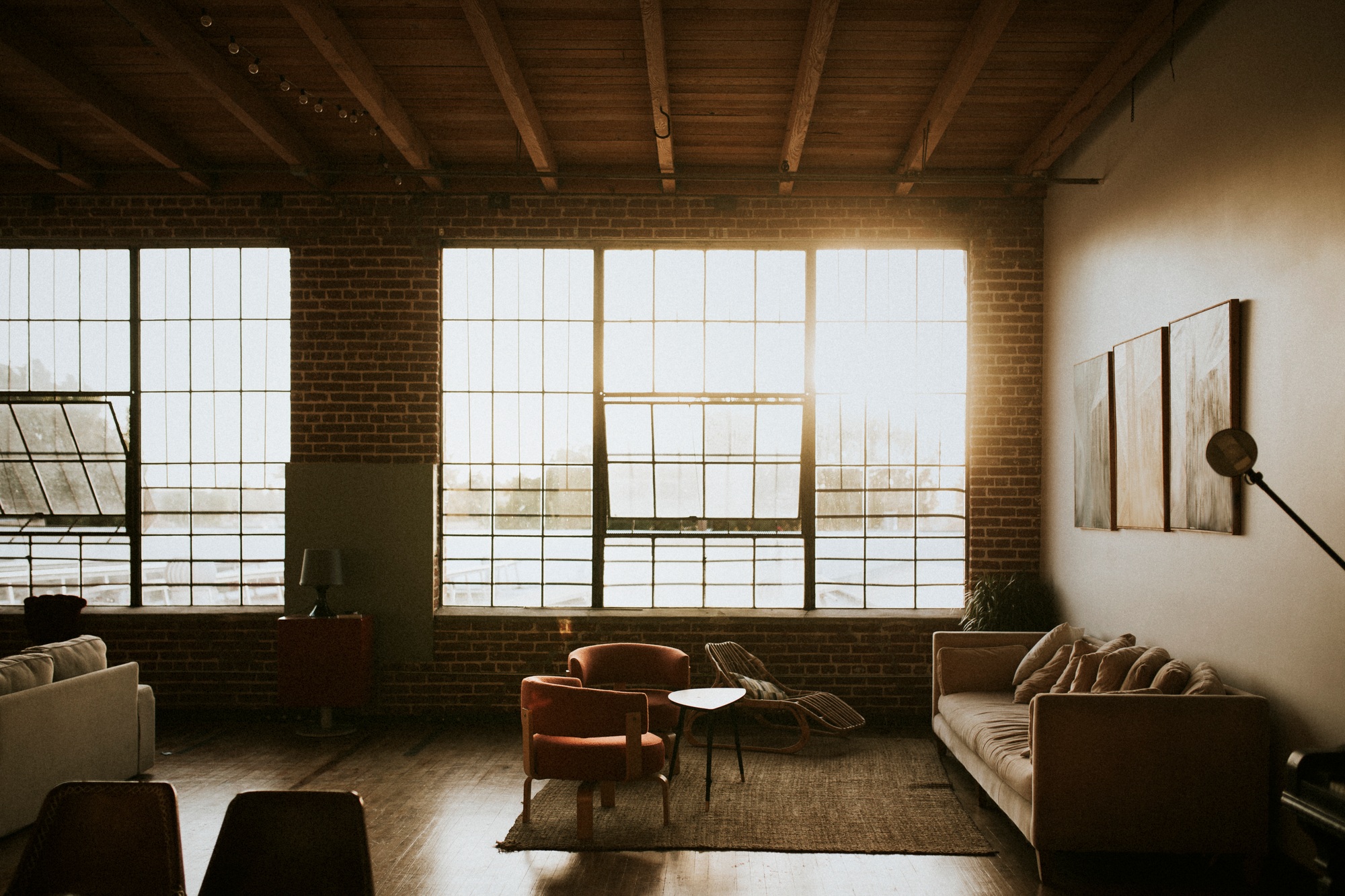
- Natural light that shifts through the day like a slow dance
- Textures that feel like they belong in a forest, not a factory
- Views that pull your eyes toward the horizon instead of a spreadsheet
You get the idea.
Why Now? (And Why It Matters More Than You Think)
It’s tempting to label biophilic architecture as a buzzword—one more line item on a developer’s wishlist. But you know what? It’s not a luxury anymore. It’s a necessity.
Let’s look at the numbers. Post-pandemic, urban stress has skyrocketed. We’ve got more burnout, more mental fatigue, and less real downtime. And guess what helps? Nature. Not screensavers of waterfalls—actual engagement with natural elements.
Buildings aren’t just places we occupy. They’re ecosystems we interact with. And when you integrate biophilic principles into those ecosystems? You don’t just improve mood—you increase retention, boost creativity, and reduce sick days.
That’s not granola talk. That’s ROI.
Okay, But What Does It Look Like?
Here’s the thing: biophilic design doesn’t come with a manual. There’s no one-size-fits-all solution. And frankly, that’s the magic of it.
In some places, it looks like:
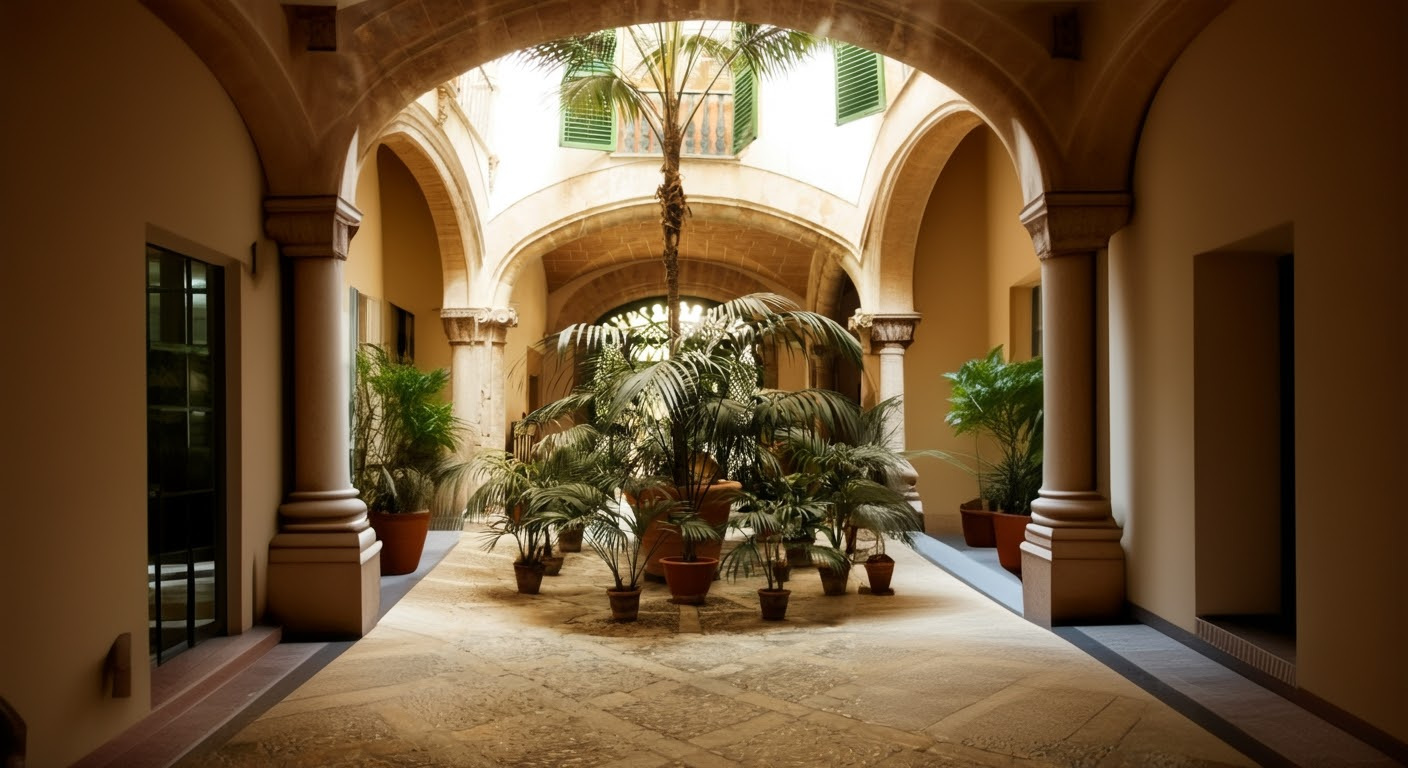
- Lush courtyards buried inside concrete complexes
- Green roofs that insulate and inspire
- Water elements in atriums that create ambient calm without being kitschy
- Material honesty—timber that smells like timber, stone that isn’t just cladding
In other places, it’s subtler. A shift in orientation to catch morning sun. A floorplan that encourages organic flow. A wall finish that plays with shadow like a forest floor.
Design isn’t just about what you see—it’s what you feel when you walk in. That’s where biophilic thinking wins.
The UAE and the Paradox of Biophilia
Now, let’s address the (sand-colored) elephant in the room. Can biophilic architecture really thrive in a region known for extreme heat, vast deserts, and climate-controlled everything?
Absolutely—but it requires a shift in how we think.
Biophilic design in the Emirates doesn’t mean importing pine forests. It means respecting context. Think shaded courtyards inspired by traditional wind towers. Water channels that mimic falaj irrigation. Interiors that blur the line between indoor and out—not with air conditioning, but with thermal strategy and tactile material palettes.
The irony? Some of the most ancient Arabic architecture was inherently biophilic—before we ever coined the term.
Master Planning With Nature in Mind
Zoom out for a moment. Think bigger than single buildings.
Master planning with biophilic intent means entire communities that feel alive. It’s not just about sprinkling greenery—it’s about designing the relationship between people, nature, and structure.
You want walkability? Make it sensory.
You want public space? Give it shade and songbirds.
You want connectivity? Let it be green, not just fast.
When you integrate nature at the master plan level, something amazing happens: you stop building projects, and you start building places.
But Wait—Doesn’t It Cost More?
Here’s the honest truth: yeah, sometimes. Up front.
Natural materials, specialized glazing, passive cooling systems—they can stretch the budget. But long-term? They often save money.
Biophilic buildings are:
Easier to maintain (because they’re designed holistically, not as afterthoughts)
More energy-efficient (because they harness daylight, airflow, and insulation naturally)
More desirable (because people genuinely want to be there)
And here’s a wild thought: what if we stopped seeing cost as the enemy of value?
What’s the price of a burnt-out tenant or a short lease? What’s the cost of a workforce that doesn’t want to come back to the office?
Suddenly, that green atrium doesn’t seem so indulgent.
Biophilic ≠ Greenwashing
Let’s clear something up. Throwing a few ficus plants in the lobby doesn’t make your building biophilic. That’s interior landscaping at best.
True biophilic architecture starts from the ground up. It’s baked into the orientation, the materials, the why of the space.
It’s not about decoration—it’s about integration.
And people can tell. They feel the difference.
So Who’s Doing It Well?
You don’t have to look far. Projects like Bee’ah HQ in Sharjah (designed by Zaha Hadid Architects) push boundaries in both form and environmental sensitivity.
Dubai’s Sustainable City might feel idealistic, but it’s proving that biophilia and profitability can coexist.
Boutique hotels in Hatta, wellness spas in Ras Al Khaimah, even airport lounges are catching on.
Biophilic design is no longer the exception. It’s inching toward the rule.
Want to Do It Right? Start With This.
Thinking about integrating biophilic principles into your next project? Here’s a quick gut-check:
Start early—you can’t retrofit connection
Think local—materials, species, climate-specific design
Design for the senses—sight, sound, smell, even touch
Work with nature, not against it—even in small doses
Remember, biophilic architecture isn’t about mimicking a forest. It’s about understanding the experience of being alive in a space—and designing accordingly.
Final Words: Nature Isn’t Optional
Biophilic architecture isn’t some fringe idea. It’s a return to common sense, dressed in contemporary clothes.
In a time when we’re more connected than ever but somehow more disconnected from ourselves, the spaces we create matter more than we realize.
When a building breathes, people breathe easier.
When design respects rhythm and light, we feel more human.
And when developers have the courage to merge nature with structure, something rare happens: we build places that don’t just serve us—they heal us.
So the next time you sketch out a project or sign off on a concept, ask yourself—where’s the nature in this? Not just in the landscape plan, but in the bones of the building.
Because the future of architecture isn’t artificial. It’s alive.