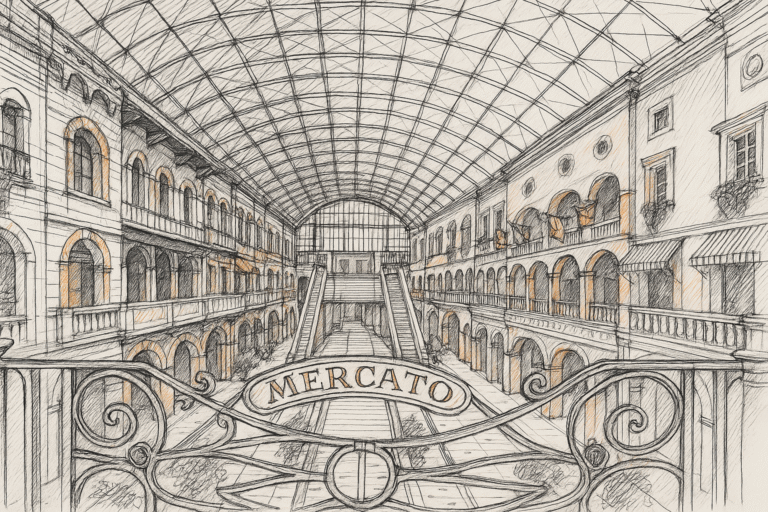
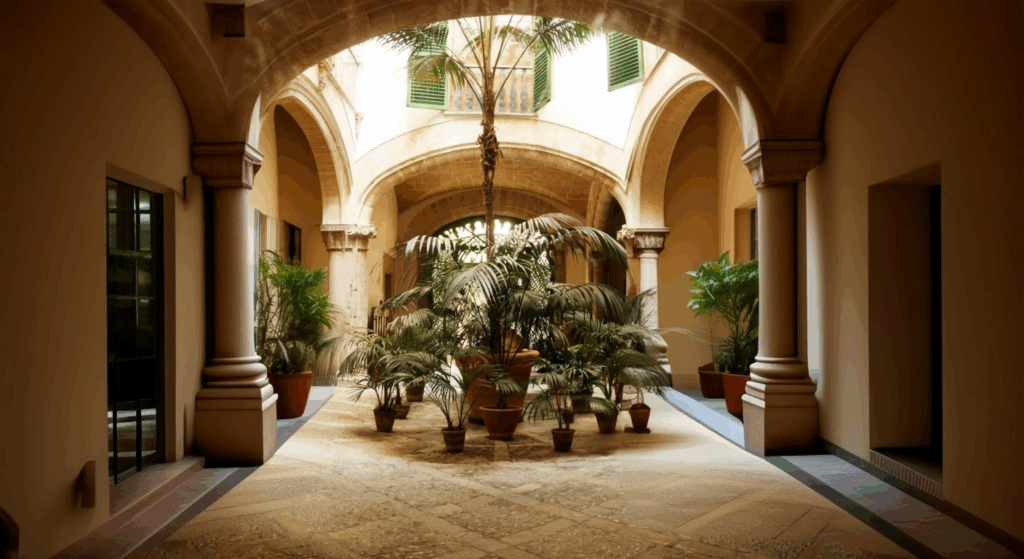
In an age of disposable design and fast construction, the adaptive reuse movement offers a quieter, more enduring path. It’s not just about preservation—it’s about transformation. The hospitality industry is leaning into this practice with renewed interest, recognizing that heritage buildings can offer something new construction often lacks: soul, story, and substance.
At Serendipity by Design, we view adaptive reuse as a form of architectural dialogue—a way to honor the past while shaping the future.
The Business Case: From Cost to Value
At first glance, adapting an old building for hotel use might seem more complex than starting from scratch. But a deeper look reveals compelling value drivers.
Economic and Operational Advantages:
- Location Leverage: Heritage buildings often occupy prime urban or scenic locations—downtown cores, waterfronts, or cultural districts—where new builds face zoning and cost barriers.
- Cost-Efficiency Through Structure: Retaining the building envelope can reduce structural work, often cutting material and labor costs.
- Sustainability Credits: Reuse reduces embodied carbon, qualifying projects for green certification programs like LEED or BREEAM.
- Differentiation and Brand Identity: Historic character becomes a unique asset in a saturated hospitality market.
Done well, adaptive reuse isn’t a compromise—it’s a competitive edge.
The Design Challenge: Between Authenticity and Functionality
Adaptive reuse demands a different design mindset. Unlike blank-site projects, it requires listening to the building—to its rhythms, limitations, and hidden potential.
Balancing Act:
- Structural Integrity vs. Program Flexibility: Repurposing industrial lofts or religious institutions into boutique hotels often requires creative spatial negotiation—how to insert bathrooms, elevators, and HVAC systems without disrupting original geometry.
- Code Compliance and Accessibility: Fire ratings, seismic upgrades, and universal access must be retrofitted carefully to avoid undermining heritage value.
- Material Dialogue: Juxtaposing old and new—weathered timber with polished brass, limestone with steel—tells a story that guests can feel, even if they can’t articulate it.
In our practice, we treat existing walls as collaborators, not constraints. Every scar, lintel, and ceiling vault becomes part of the narrative.
Guest Experience: Storytelling Through Space
Guests today are not just seeking luxury—they’re seeking authenticity. Historic buildings provide it in spades, but only if the design amplifies rather than erases their character.
What Resonates with Guests:
- Immersive History: Vaulted ceilings, exposed brick, stone thresholds—these elements offer tactile reminders of a building’s lineage.
- Personal Discovery: Adaptive reuse often creates unconventional layouts—split levels, unexpected alcoves, hidden courtyards—which invite exploration.
- Photogenic Texture: Patinaed surfaces and artisanal detailing elevate a property’s visual identity across social and digital platforms.
By blending comfort with character, heritage hotels become emotional spaces—memorable not just for service, but for the atmosphere.
Sustainability: Heritage as Environmental Strategy
Reusing a building isn’t just romantic—it’s radically sustainable.
Environmental Benefits of Adaptive Reuse:
- Reduced Embodied Carbon: Demolishing and rebuilding a structure can emit hundreds of tons of CO₂. Retaining foundations and primary framing drastically lowers that footprint.
- Longer Material Lifespans: Old buildings were often made from more durable materials—thick stone, aged timber, high-quality brick—that outperform many modern composites.
- Local Sourcing by Default: Reuse inherently favors local systems, materials, and labor, strengthening regional economies.
For developers aiming to align with ESG values or carbon-reduction pledges, adaptive reuse is one of the most effective levers.
Cultural Stewardship: Designing with Respect
Repurposing a historic site requires more than permits—it requires humility. Hospitality projects that succeed in adaptive reuse are those that enhance, not erase, the spirit of place.
Ethical Design Principles:
- Community Engagement: Involving local historians, artisans, and residents fosters cultural alignment and reduces resistance.
- Selective Intervention: Knowing what to keep, what to restore, and what to reinterpret is where design leadership truly matters.
- Program Compatibility: Not all historic buildings make good hotels. Choosing compatible typologies—like old banks, monasteries, or mansions—ensures smoother adaptation.
When done right, the hotel doesn’t just occupy a building—it becomes part of the community’s collective memory.
Global Examples: Heritage Hotels That Work
Some of the world’s most celebrated hotels began as something entirely different.
- The Ned, London: Formerly a bank, now a 250-room hotel with original vault doors repurposed into spa and dining spaces.
- Amangalla, Sri Lanka: Located within a 17th-century Dutch colonial fort, seamlessly blending historic masonry with minimalist luxury.
- Ace Hotel, Kyoto: Housed in a 1920s telephone exchange building, reimagined with contemporary Japanese design language.
These projects prove that history doesn’t have to be frozen—it can be reawakened.
The Future Is Already Built
In a world racing toward the new, adaptive reuse offers a moment of pause. A chance to reconnect with place, to tell stories through stone and timber, to create luxury not through opulence but through meaning.
For developers, investors, and hospitality brands, it represents not just a design strategy—but a cultural and environmental imperative.
At Serendipity by Design, we believe the past is not a constraint—it’s a canvas. Let’s draw the future with it.